

Fire in the Sky Continues in Colorado Springs and addresses the topic of 'When the Building Becomes the Problem'

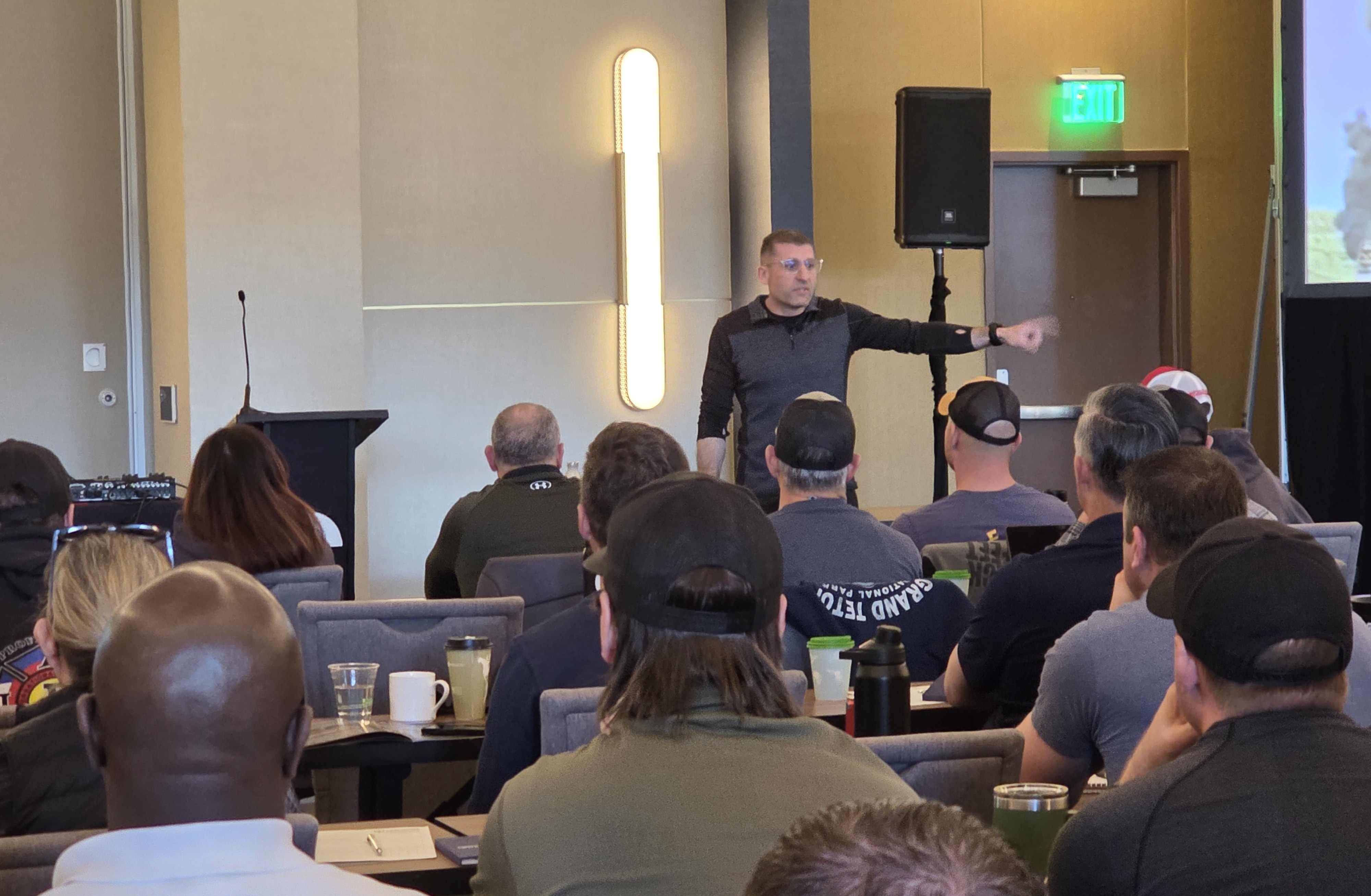
Chief Kris Blume
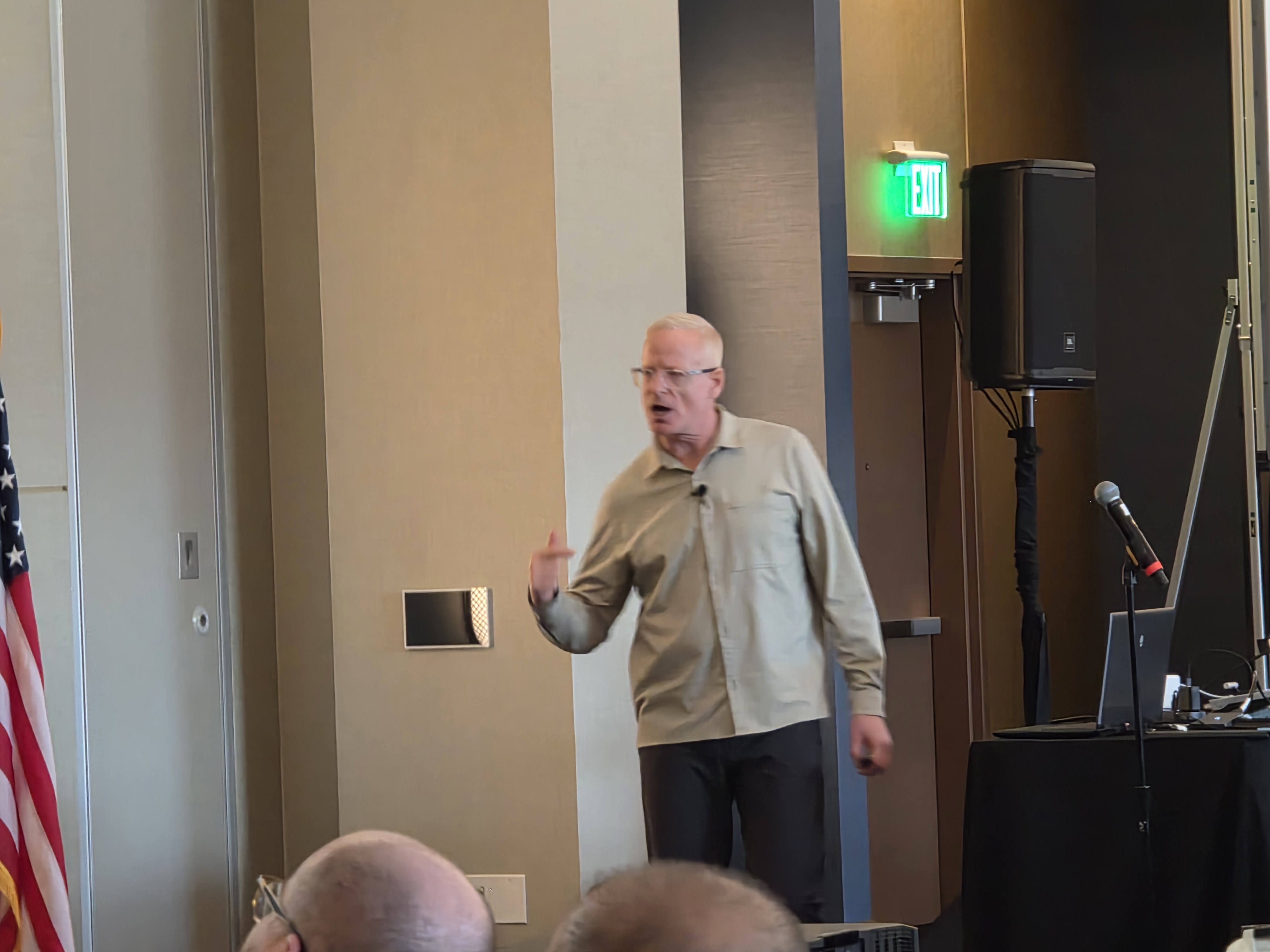
Brent Brooks
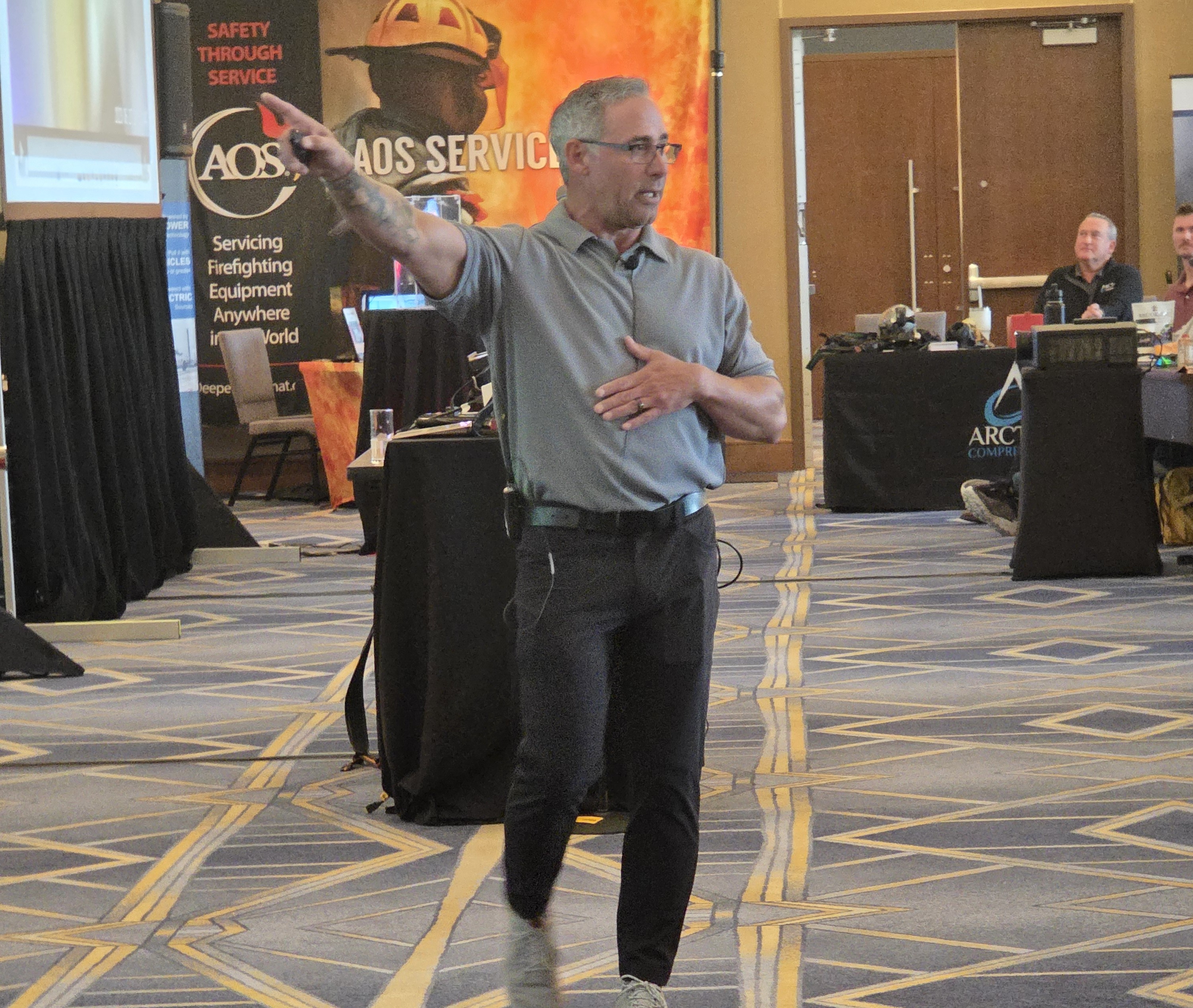
Chris Sleigher
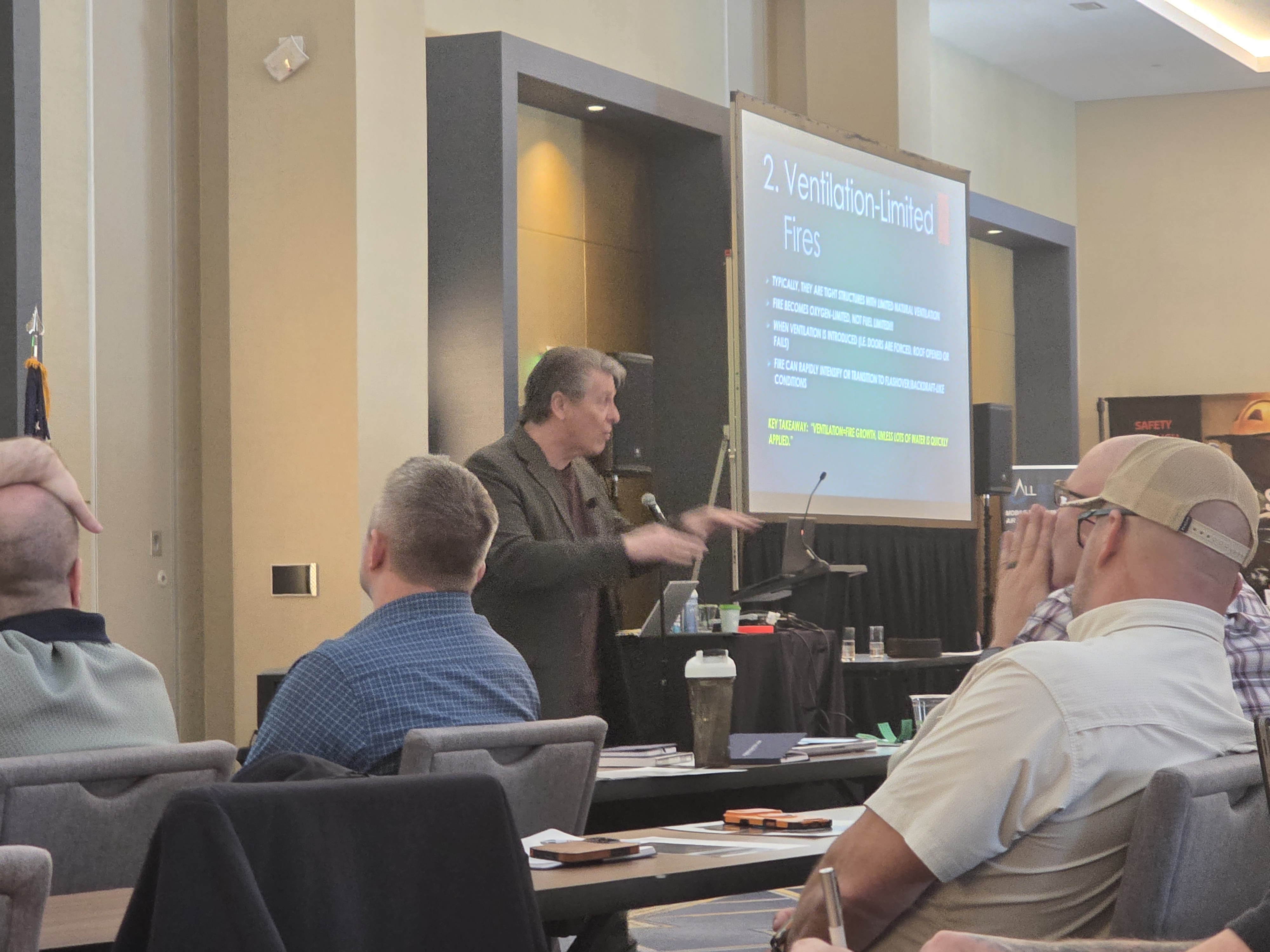
Daniel DeYear (ret) Dallas Fire Rescue
There are very few things on the fireground that will kill you faster than arriving unprepared.”
COLORADO SPRINGS, CO, UNITED STATES, March 19, 2026 /EINPresswire.com/ -- Day One set the foundation, Day Two of Fire in the Sky 2026 raised the structure — and pushed the people inside it to think harder, faster, and more honestly about what they don't yet know. Wednesday's lineup brought four instructors whose careers span continents, command levels, and every category of structure that keeps fire service leaders up at night. Each one carried a different piece of the same urgent message: the buildings your community is living and working in are changing. The tactics to protect them have to change with it.— Chief Daniel DeYear, Dallas Fire Rescue (retired)
Kris Blume — Fire Chief, Meridian Fire Department (Idaho) Session: "Bringing the Firefight to Mid/High-Rise Buildings Under Construction"
Before a high-rise becomes a high-rise — before the lobby is finished, the standpipe is pressurized, the elevators are operational, or the sprinkler heads are installed — there is a period when the building is both enormous and almost entirely unprotected. That is the window Chief Kris Blume came to Colorado Springs to talk about.
Blume brings more than 25 years of fire service experience to the subject, serving as the Fire Chief of the Meridian Fire Department in Idaho, one of the fastest-growing communities in the American West. He is a graduate of the prestigious Executive Fire Officer program and an instructor at the National Fire Academy. He is also a published author — his book Carry the Fire: The Crucible of Leadership in the Fire Service, published by Fire Engineering Books, has reached firefighters and fire officers across the country with its message about mentorship, mission, and what it means to lead through pressure. He has written extensively for fire service publications and speaks and teaches at venues across the United States.
His session on construction-site firefighting is one of the more technically demanding on the conference agenda — and one of the more consequential. A building under construction offers none of the tools firefighters count on: no complete stair towers, no operating suppression systems, no predictable floor layout. Wind moves differently through an open structure. Workers are present in unpredictable locations. The floors above the fire can be exposed to the sky.
Blume's approach is built around aggressive pre-planning, rapid tactical adaptation, and what he calls the ability to "read a chaotic, incomplete structure before it turns against you." For communities watching new residential towers and mixed-use developments rise from empty lots, his session is a reminder that fire risk doesn't wait for a certificate of occupancy. The building is a hazard long before it becomes a home.
Chris Sleigher — Battalion Chief, Mesa Fire and Medical Department (Ret.) Session: "Mid-Rise Mindset: Making Elevated Decisions"
There is a category of building that the fire service has quietly struggled to define for years. It is too tall to treat like a house. It is not tall enough to trigger the high-rise protocols that departments have spent decades refining. Five stories. Eight stories. Twelve stories. A mid-rise residential building in a growing urban neighborhood occupies a kind of tactical no-man's-land — and Battalion Chief Chris Sleigher has spent a career figuring out what to do about it.
Sleigher joined the Mesa Fire and Medical Department in 1999 and spent 27 years working through the full range of what a large, growing Sun Belt city produces. He has worked heavy rescue operations. He deployed to Hurricane Katrina and worked in conditions that tested every layer of his training. He has taught fireground tactics at departments across the country and was honored with induction into the Arizona Fire Service Hall of Fame — one of the state's most meaningful recognitions for career achievement and service to the profession. He has contributed to organizations like Fire Nuggets and Fire by Trade, platforms that reach working firefighters who want to get better at the job.
His session, Mid-Rise Mindset, was designed for every rank in the room. He walks through building system basics, access challenges, water supply realities, and first-due suppression tactics — with a focus on the moment when the crew pulls up and the building doesn't match any of the models they trained for. "Understanding how to safely and effectively operate in these structures is no longer optional," Sleigher put it plainly. "It's essential." In cities across Colorado and across the country, those structures are going up in neighborhoods that were single-family residential a decade ago. The crews assigned to protect them deserve to know what they're walking into.
Brent Brooks — Acting District Chief, Toronto Fire Services Session: "High-Rise Firefighting 2.0: Lithium-Ion and Modernizing High-Rise Firefighting"
Brent Brooks has been inside 36 of the tallest buildings on the planet. Not as a tourist. As a firefighter, a researcher, and an advisor working to understand what happens to fire behavior, air management, and suppression tactics when the building rises past the point where conventional thinking stops working.
Brooks is an Acting District Chief with Toronto Fire Services, currently leading the department's high-rise program — and Toronto's high-rise environment is among the most active on the continent. His career began at Pearson International Airport and with the Canadian Armed Forces reserves, a background that shaped the disciplined, systems-based thinking he brings to fire operations. He has spent 18 of his 30-plus years in the High-Rise Unit, advancing operations through research, training, and improved incident management. He is a published author, a panelist on Fire Engineering's Hump Day Hang Out, an FDIC instructor, and an advisor who has supported more than 100 fire departments worldwide. In 2026, Fire Engineering and ISFSI named him the George D. Post Instructor of the Year — one of the fire service's most distinguished instructor recognitions.
The subject of his session is the one that is keeping fire chiefs awake in cities of every size. Lithium-ion battery fires are not a future threat. They are happening now, in electric vehicles parked in high-rise garages, in e-bikes stored in apartment corridors, in energy storage systems installed in utility rooms, in charging stations wired into buildings that were designed before anyone was thinking about battery runaway. The fire behavior is different. The air demands are different. The tactical approach is different.
Brooks doesn't soften the message: "High-rise fires have evolved — and if we don't adapt, we fall behind." His session puts the problem plainly and works through the operational response: increase flow, control pressure zones, outpace the smoke and fire, and stop relying on playbooks written for a different era of building and a different kind of fuel. For anyone living in a building with an EV charger in the garage or a battery backup in the mechanical room, the work happening in that session room directly affects their safety.
Daniel DeYear — Deputy Chief, Dallas Fire-Rescue Department (Ret.) Session: "Big Box Fires — Thinking Outside the Bigger Box"
Daniel DeYear grew up in the Bronx. He started his fire service career in the Northeast more than 45 years ago and hasn't stopped moving since. He worked for the Carrollton Fire Department in Texas, rising to Training Chief. He then carried a badge into places most firefighters will never go — serving as International Fire Marshal and Ambassador for the American Fire Service with the U.S. Department of State's Foreign Building Operations, traveling to more than 35 countries to provide fire and life safety protection at United States embassies and consulates around the world.
Then he came home and spent decades with Dallas Fire-Rescue, working his way through every rank to retire as Deputy Fire Chief. Along the way, he accumulated certifications that read like an entire career's worth of expertise stacked into a single resume: master-level credentials as a firefighter, fire inspector, instructor, fire investigator, Fire Officer IV, hazardous materials technician, incident safety officer, and incident commander. He worked more than 20 years as a licensed paramedic. The Texas Association of Fire Educators named him Instructor of the Year in 2020.
All of that experience converges in his session on big-box firefighting — and the buildings he is talking about are the ones that have reshaped the American landscape over the past 20 years. Massive distribution centers. Fulfillment warehouses. Cold-storage facilities. The structures supporting modern commerce can cover a million square feet, and when fire touches them, the distance from the front door to the seat of the fire can exceed a quarter mile. The hose stretches are different. The air consumption is different. The collapse risk is different.
DeYear's session approaches the problem from the command level: what departments consistently get wrong in pre-incident planning, where the assumptions break down, and how to build a response framework that holds up when the building is bigger than anything the crew has ever trained for. "There are very few things on the fireground that will kill you faster than arriving unprepared," he said.
What It Means Beyond the Conference Room
Wednesday's sessions were, on one level, highly technical. Building code classifications. Standpipe pressure calculations. Battery thermal runaway sequences. Collapse indicators in steel-frame construction.
But underneath the technical content ran a single thread that connected every instructor and every session: the buildings your neighbors live in, work in, and sleep in are not the same buildings they were 20 years ago. They are taller, larger, more complex, and increasingly equipped with technology that creates fire hazards that the existing playbooks weren't written for. The firefighters in that conference room in Colorado Springs are the people who will be called when something goes wrong — and what they learned on Day Two is what stands between a manageable incident and a catastrophic one.
That is what Fire in the Sky is brings to firefighters and their departments.
Shawn Longerich
Firefighter Air Coalition
+1 317-690-2542
email us here
Visit us on social media:
LinkedIn
Instagram
Facebook
Legal Disclaimer:
EIN Presswire provides this news content "as is" without warranty of any kind. We do not accept any responsibility or liability for the accuracy, content, images, videos, licenses, completeness, legality, or reliability of the information contained in this article. If you have any complaints or copyright issues related to this article, kindly contact the author above.
